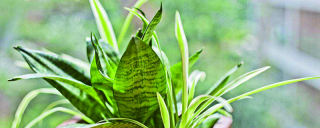
Monstera plants, such as Monstera deliciosa, originate from tropical rainforests in Central and South America. In their natural environment, they grow as epiphytes or hemiepiphytes, often climbing trees and thriving in loose, nutrient-rich, and well-draining organic matter. The soil in these regions is typically composed of decomposed leaves, bark, and other forest debris, which provides excellent aeration and moisture retention without waterlogging. To replicate these conditions at home, the soil mix must balance drainage, aeration, and nutrient availability.
The best soil mix for Monstera plants should mimic their natural growing conditions. Here are the essential components:
A. Peat Moss or Coconut Coir: These materials retain moisture while allowing excess water to drain, preventing root rot. Coconut coir is a sustainable alternative to peat moss.
B. Perlite or Pumice: These inorganic additives improve aeration and drainage, ensuring roots receive enough oxygen.
C. Orchid Bark or Pine Bark Fines: Chunky bark pieces create air pockets, mimicking the loose structure of forest floors and promoting healthy root growth.
D. Compost or Worm Castings: Organic matter provides nutrients and supports microbial activity, enhancing soil fertility.
E. Charcoal (Optional): Horticultural charcoal can help filter impurities and prevent fungal growth.
A well-balanced Monstera soil mix can be created using the following ratios:
Option 1 (Standard Mix): 50% peat moss or coconut coir, 30% perlite or pumice, 20% orchid bark.
Option 2 (Nutrient-Rich Mix): 40% peat moss, 30% perlite, 20% orchid bark, 10% compost or worm castings.
Option 3 (Aeration-Focused Mix): 40% coconut coir, 30% orchid bark, 20% perlite, 10% charcoal.
These ratios can be adjusted based on environmental factors like humidity and pot drainage.
Monstera roots are prone to rot if left in soggy soil. A well-draining mix ensures excess water escapes quickly, while aeration prevents compaction, allowing roots to breathe. Without proper drainage, oxygen deprivation can lead to stunted growth or root diseases. Using a pot with drainage holes further enhances soil performance.
If the soil mix is unsuitable, Monstera plants may exhibit:
A. Yellowing Leaves: Often caused by overwatering or poor drainage.
B. Wilting or Drooping: Can indicate root rot from waterlogged soil.
C. Stunted Growth: Compacted or nutrient-deficient soil may hinder development.
D. Mold or Fungus: Excess moisture or lack of aeration can promote fungal growth.
Adjusting the soil mix or repotting may be necessary if these symptoms appear.
Monstera plants may require slight modifications to their soil mix depending on the season:
A. Summer: Increase moisture retention slightly by adding more coconut coir or compost.
B. Winter: Reduce watering frequency and ensure the mix drains faster to prevent cold-related root issues.
Monitoring the plant's response to seasonal changes helps fine-tune the soil composition.