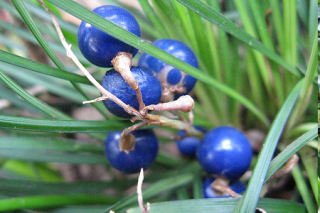
Aglaia odorata, commonly known as Chinese perfume plant or mock lime, is a delicate and beautiful flowering plant. Like many other plants, it can be vulnerable to damage caused by strong winds. However, there are several measures you can take to protect Aglaia odorata from strong winds and ensure its healthy growth. Here are some detailed steps you can follow:
When selecting a location for planting Aglaia odorata, consider the wind patterns in your area. Choose a spot that is sheltered from strong winds, such as near a wall, fence, or other structures that can provide some protection. This will help reduce the direct impact of strong winds on the plant.
Another effective way to protect Aglaia odorata from strong winds is to create windbreaks. Windbreaks are barriers that help deflect or reduce the force of the wind. You can use a variety of materials to create windbreaks, such as fences, hedges, or even temporary structures like bamboo screens. Place the windbreaks strategically around the plant to shield it from the strongest winds.
Staking is a common technique used to provide support and stability to plants, especially those prone to wind damage. To stake Aglaia odorata, follow these steps:
a. Choose sturdy stakes that are taller than the plant.
b. Drive the stakes into the ground around the plant, ensuring they are firmly anchored.
c. Gently tie the plant to the stakes using soft plant ties or twine. Be careful not to tie it too tightly, as this can restrict growth or cause damage.
d. As the plant grows, regularly check and adjust the ties to accommodate its growth and prevent them from becoming too tight.
Regular pruning can help strengthen Aglaia odorata and make it more resistant to wind damage. Follow these pruning guidelines:
a. Remove any dead, damaged, or weak branches. These are more likely to break or be uprooted during strong winds.
b. Thin out dense foliage to improve airflow through the plant. This reduces the risk of wind resistance and potential damage.
c. Maintain a balanced shape by selectively pruning branches. This helps distribute the wind force more evenly across the plant.
Mulching around the base of Aglaia odorata can provide additional protection against strong winds. Here's how to mulch effectively:
a. Apply a layer of organic mulch, such as wood chips or shredded bark, around the base of the plant.
b. Ensure the mulch is spread evenly and covers the root zone of the plant.
c. Mulching helps retain moisture, stabilize soil temperature, and prevent soil erosion, which indirectly contributes to the plant's overall health and resilience against wind damage.
Lastly, regular maintenance is crucial for the overall health and well-being of Aglaia odorata. Keep an eye on the plant, especially during periods of strong winds, and take immediate action if any damage occurs. Promptly remove any fallen branches or debris that may have been caused by the wind to prevent further harm to the plant.
By following these steps, you can significantly reduce the risk of wind damage to Aglaia odorata and ensure its continued growth and beauty in your garden or landscape.