Lily rust disease is a common fungal infection that affects lilies, causing yellow or orange spots on the leaves. If left untreated, it can weaken the plant and reduce its overall health and vigor. In this guide, we will discuss how to identify and treat lily rust disease to ensure the well-being of your lilies.
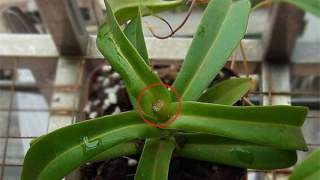
1. Leaf Spots: The first sign of lily rust disease is the appearance of small, yellow or orange spots on the leaves. These spots may initially be round or oval-shaped and can gradually expand in size.
2. Rust Pustules: As the disease progresses, the spots develop raised, powdery pustules on the underside of the leaves. These pustules contain spores that can spread the infection to other parts of the plant or nearby lilies.
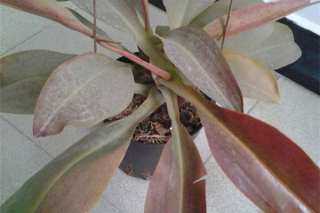
3. Leaf Discoloration: Infected leaves may turn yellow or brown and eventually wither and die. This can weaken the plant and affect its ability to produce flowers.
1. Prune Infected Leaves: As soon as you notice signs of lily rust disease, carefully remove and dispose of the infected leaves. This will help prevent the spread of the disease to other parts of the plant.
2. Improve Air Circulation: Lily rust thrives in humid conditions with poor air circulation. To prevent the disease from spreading, ensure that your lilies are planted in an area with good air movement. Avoid overcrowding and provide adequate spacing between plants.
3. Watering Practices: Overhead watering can promote the spread of lily rust disease. Instead, water the plants at the base to keep the foliage dry. This will help create an unfavorable environment for the fungus to thrive.
4. Fungicide Treatment: If the infection is severe or persists despite preventive measures, you may need to use a fungicide. Choose a fungicide specifically labeled for lily rust disease and follow the instructions carefully. Apply the fungicide as directed, ensuring complete coverage of the leaves and stems.
5. Remove Infected Debris: To prevent the disease from overwintering and re-infecting your lilies the following year, clean up and dispose of any fallen leaves or plant debris. This will help break the disease cycle and reduce the chances of recurrence.
6. Monitor and Maintain: Regularly inspect your lilies for any signs of lily rust disease. Early detection is crucial for effective treatment. Additionally, maintain overall plant health by providing adequate sunlight, proper nutrition, and regular fertilization.
7. Quarantine Infected Plants: If you have multiple lilies, isolate any infected plants to prevent the disease from spreading to healthy ones. This can be done by physically separating the infected plant or using barriers like plastic covers.
Remember, prevention is always better than cure. By practicing good gardening techniques and promptly addressing any signs of lily rust disease, you can protect your lilies and ensure their long-term health and beauty.