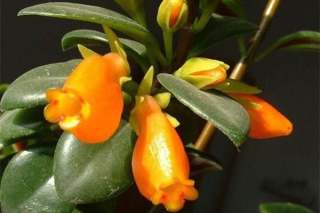
Carnation Care for High-Maintenance Gardens
Carnations thrive in full sun, requiring at least 6-8 hours of direct sunlight per day. They should be planted in an area that receives ample sunlight to ensure proper growth and blooming.
Carnations prefer well-draining soil with a pH level between 6.0 and 7.0. Before planting, it is essential to prepare the soil by removing any weeds or debris. Adding organic matter such as compost or aged manure can improve soil fertility and drainage.
Carnations require regular watering to keep the soil consistently moist but not waterlogged. It is important to water deeply, ensuring the water reaches the root zone. However, overwatering should be avoided as it can lead to root rot and other diseases.
Regular fertilization is crucial for high-maintenance gardens with carnations. Use a balanced, slow-release fertilizer or a water-soluble fertilizer specifically formulated for flowering plants. Follow the instructions on the fertilizer package for proper application rates and frequency.
Pruning is essential for maintaining the health and appearance of carnations. Regularly remove spent flowers to encourage continuous blooming. Additionally, prune any dead or diseased stems to prevent the spread of diseases. Pruning should be done in early spring or after the blooming season.
Carnations are susceptible to various diseases and pests, so proper care is necessary to prevent and control these issues. Regularly inspect the plants for signs of diseases such as powdery mildew or rust. If detected, treat them with appropriate fungicides. Similarly, monitor for pests like aphids or spider mites and use insecticides if necessary.
Mulching can help maintain soil moisture, suppress weed growth, and regulate soil temperature. Apply a layer of organic mulch, such as wood chips or straw, around the base of the carnation plants. Ensure the mulch is not in direct contact with the stems to prevent rotting.
In regions with cold winters, carnations may require additional protection. Apply a layer of mulch around the base of the plants to insulate the roots. Consider covering the plants with a frost cloth or bringing potted carnations indoors during extreme cold spells.
Caring for high-maintenance gardens with carnations requires attention to various aspects such as light, soil, watering, fertilization, pruning, disease and pest control, mulching, and winter protection. By providing the necessary care, gardeners can enjoy the beauty of vibrant and healthy carnations throughout the growing season.