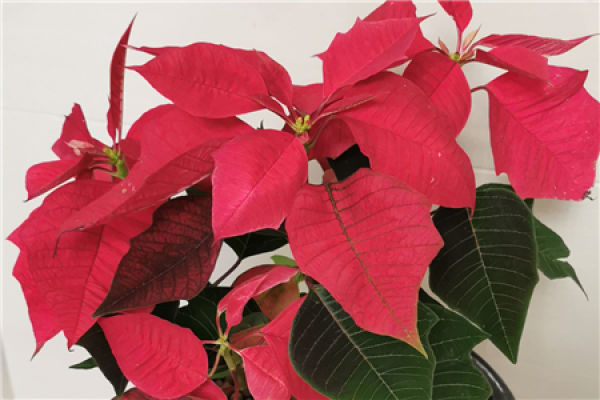
The fragrance of lilies is strong, and if you smell it for a long time, it will make people too excited and cause insomnia.Especially in the bedroom, it is best not to raise lilies, otherwise already insomnia or sleep shallow people, surrounded by its aroma again more unable to sleep.

There are two kinds of daffodils: traditional daffodils and daffodil.Traditional Narcissus, its flowers, branches and leaves are poisonous, if you inhale the fragrance of Narcissus during sleep, people will easily feel dizzy.Although worshipping foreign things is not good, but if you want to raise daffodils indoors, or try to choose breeding daffodils, it has no fragrance, will not have adverse reactions to the human body.

Its breathing at night is too prominent, and people grab oxygen, not to mention, but also release a lot of carbon dioxide, so that indoor carbon dioxide concentration is rising.Especially in the bedroom, it is not suitable for breeding big leaf green radish.


It is not just the scent that causes insomnia and puts pressure on the body's organs.And its taste will make people's spirit easily tired and weak.The most important thing is that hyacinth bulbs are toxic, eating may cause diarrhea and even stomach cramps and other consequences, families with children or special attention.

Its smell is also more suitable for outdoor farming.Especially at night, the fragrance it emits is actually exhaust gas, and it is easy to cause cough and asthma.

The mosaic leaves of Dieffenbachia contain oxalic acid and asparagine, which are very toxic. Once they touch the skin, they will cause skin itching, which is difficult to alleviate.Its fruit is more toxic, eating it by mistake will make the tongue, throat sore and even unable to speak.And this symptom will last for a week, if serious, it will cause nausea, diarrhea and other conditions.

Ferns produce spores, which are similar to pollen. For those who are allergic to pollen or allergic constitution, they may have an allergic reaction. Therefore, people who are prone to allergies are not suitable for raising ferns.
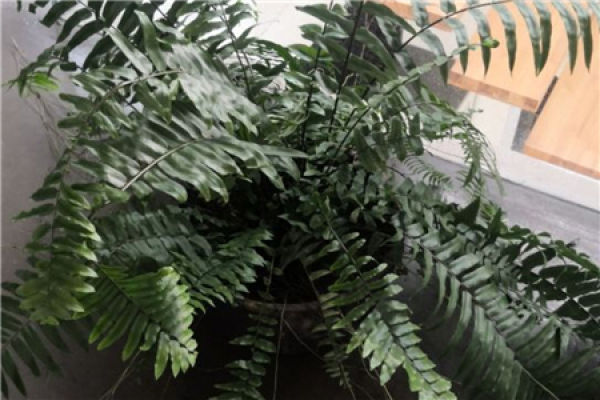
Mimosa entire plant with a trace of toxins, because it contains a Mimosa alkaline things, long-term contact will cause hair yellow fall.In addition, mimosa does not photosynthesize at night, and then releases toxic substances, which are harmful to the body indoors.
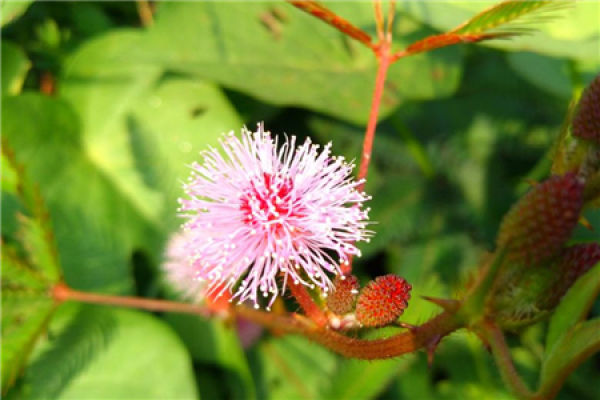
It releases toxins that are harmful to the human body, and this substance can cause respiratory or pulmonary allergies.Branches and leaves secrete white juice is toxic, once exposed to the skin, there will be allergic reactions, swelling, fever, and even ulceration.